


Dizziness can be unsettling in ways that are difficult to explain to someone who has never experienced it. For some people, it feels like lightheadedness. For others, it feels like spinning, floating, or a sudden loss of physical steadiness. Even when symptoms come and go, they can have a serious impact on daily life. A person may begin avoiding driving, shopping, exercise, stairs, social outings, or any situation where they fear they may feel off balance or unsafe. Over time, dizziness can affect confidence, independence, and overall quality of life. Loved ones often feel the impact as well, especially when they see someone they care about becoming more cautious, frustrated, or withdrawn because symptoms are difficult to predict or manage.
The encouraging news is that professional help can make a meaningful difference. With the right evaluation and treatment plan, many patients are able to reduce symptoms, improve stability, and get back to living with greater comfort and confidence. Neurology, Psychiatry and Balance Therapy Center (NPBTC) is highly regarded for its dizziness treatment near Dresher, Pennsylvania. That is because our team takes a coordinated, patient centered approach that brings together physical therapy, neurology, and psychiatry when needed.
Request an Appointment
Please do not include medical records or personal health information on this form.
Effective Dizziness Therapy
One of the reasons dizziness can be so frustrating is that it is not a single diagnosis. Rather, it is a broad symptom that people use to describe many different sensations. Someone may say they feel dizzy when they are feeling lightheaded. Another person may be describing vertigo, which is the sensation of movement such as spinning or swaying. Someone else may mean they feel physically unsteady, disconnected, or off balance.
Because the word can describe so many different experiences, a careful evaluation is essential. Dizziness and balance disorders are closely connected, but they are not exactly the same thing. Dizziness refers to the sensation itself, while a balance disorder refers to a condition that causes a person to be unsteady, have difficulty maintaining upright, or become more prone to falling.
These symptoms can range from mild and occasional to severe and disruptive. They may be linked to the inner ear and vestibular system, the brain and nervous system, visual processing issues, musculoskeletal factors, medication side effects, or stress related responses that amplify physical symptoms. In some cases, dizziness is triggered by certain head positions. In others, it appears in busy environments, during movement, or alongside headaches, fatigue, or sensory sensitivity.
That complexity is exactly why proper diagnosis matters. Effective Dresher dizziness treatment does not begin with guessing. It begins with understanding what is most likely causing the symptoms and how those symptoms are affecting the patient’s life in practical, day to day terms. At NPBTC, we focus on identifying those root contributors so treatment is not generic, but specifically tailored to the patient in front of us.
The Ways We Treat Dizziness Issues
At NPBTC, dizziness treatment is built around a comprehensive and collaborative model of care. We understand that these symptoms often sit at the intersection of balance, neurologic function, movement patterns, sensory processing, and emotional response. That is why our approach is not limited to one discipline. We begin with a thorough evaluation to better understand the pattern of symptoms, likely triggers, and the systems that may be contributing to the problem. From there, we create a personalized treatment plan that may involve physical therapy, neurology, and psychiatry depending on the patient’s needs.
For many patients, physical therapy is the central part of treatment, especially when dizziness affects steadiness, head movement tolerance, confidence with walking, or the ability to function comfortably in busy environments. For others, neurological assessment or medication support may be necessary to address underlying neurologic contributors. In cases where chronic dizziness has led to anxiety, panic, or avoidance behaviors, psychiatric support may also play a valuable role in helping patients fully engage in the dizziness therapy process near Dresher.
Physical Therapy
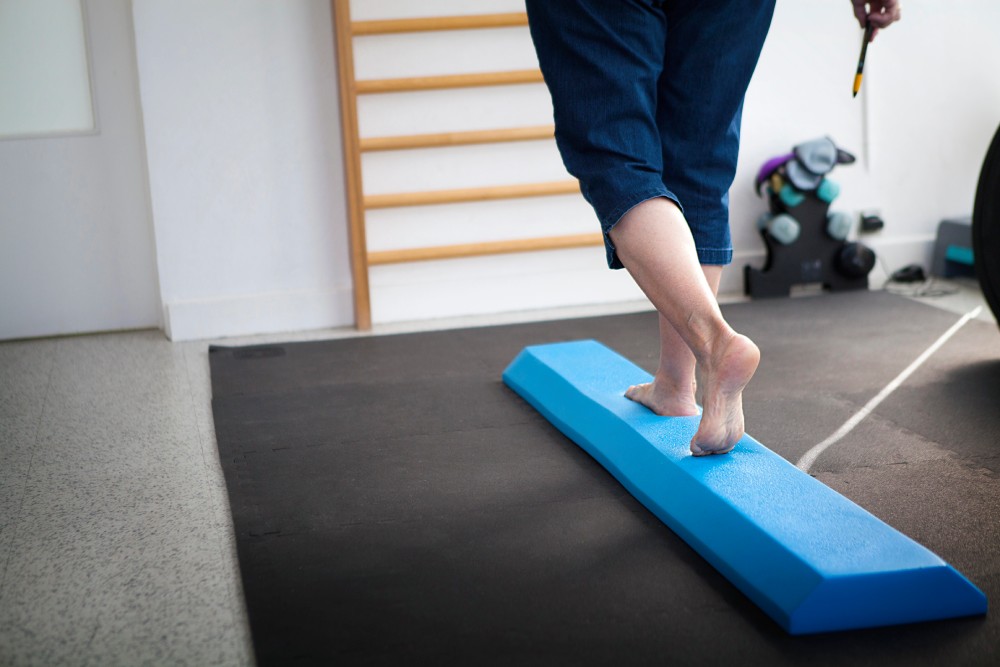
Physical therapy is often the most hands on and active component of dizziness treatment at NPBTC. This is not a one size fits all exercise program. Rather, it is a specialized form of rehabilitation designed to improve the way the brain and body work together to maintain balance and stable vision. Because dizziness and imbalance are often influenced by how the nervous system processes information from the inner ear, the eyes, and the body’s sensory feedback systems, therapy is designed to improve coordination among all of these inputs.
At NPBTC, physical therapy begins with a detailed assessment of gait, posture, balance reactions, head and eye movement responses, and the types of movement or environments that bring on symptoms. Based on those findings, a personalized plan is created. Under the care of Dr. James Barsky and Dr. Ian Haslam, treatment may include gaze stabilization exercises, habituation exercises to reduce motion sensitivity, balance retraining, walking drills, fall prevention strategies, and positional techniques when appropriate.
A major benefit of Dresher physical therapy for dizziness is that it can help break the cycle that often forms around these symptoms. Many patients begin moving more cautiously, avoiding activities, or limiting exposure to environments that provoke dizziness. While that reaction is understandable, it can gradually reduce confidence and make the system even more sensitive.
Physical therapy helps reverse that pattern by improving tolerance, restoring balance responses, and helping patients feel more capable in real world situations. Education is a major part of this process as well. When patients better understand why symptoms are happening and what they can do in response, they often feel less fearful and more empowered. Over time, this can lead to meaningful improvements not just in symptoms, but in quality of life.
Neurology
Neurology is another key part of treating dizziness near Dresher, especially when symptoms are persistent, difficult to explain, or accompanied by other concerning issues such as headaches, tremors, changes in coordination, cognitive symptoms, or possible seizure-like activity. Because dizziness can sometimes reflect a broader neurological issue rather than a strictly vestibular one, a neurology evaluation can be essential in helping patients get clear answers.
Neurology care at NPBTC is led by Dr. Sonya Knight, whose training and experience allow her to evaluate how dizziness may intersect with migraine, concussion related symptoms, movement disorders, cognitive changes, and other neurologic processes that affect balance and orientation. This is particularly valuable for patients who have already sought care elsewhere but still feel their symptoms have not been fully understood.
The role of neurology in dizziness care is not only diagnostic. It also helps guide treatment planning. In some cases, dizziness is influenced by neurologic patterns that may improve with medication or other medical interventions. In others, neurological evaluation helps rule out more serious concerns and gives both the provider and the patient greater confidence in moving forward with rehabilitation.
This connection between medical insight and therapy based care is one of the reasons NPBTC’s model is so effective for complex dizziness cases. Instead of forcing patients to piece together separate opinions from multiple offices, we bring the relevant perspectives together in a coordinated way.
Psychiatry
Psychiatry can also be an important part of Dresher dizziness care for certain patients, though not because symptoms are imagined. Dizziness is real, and it often has a physical basis. At the same time, chronic dizziness can place a major strain on the nervous system and on a person’s emotional well being. Many patients begin to feel anxious about movement, crowded places, driving, or leaving home because they worry symptoms will flare up unexpectedly.
In some cases, anticipatory anxiety and stress responses can intensify sensations of dizziness or unsteadiness, making the overall picture more difficult to manage. For these individuals, psychiatric care may help address the emotional and physiological responses that are making recovery harder.
At NPBTC, psychiatry is viewed as one part of the broader care plan when appropriate. Medication management may be considered if anxiety related symptoms are becoming a barrier to rehabilitation or when psychiatric symptoms overlap with the dizziness presentation in a clinically meaningful way.
As Dr. Knight is dual board certified in neurology and psychiatry, NPBTC is especially well positioned to understand how neurologic and psychiatric factors can intersect. This allows psychiatric care to complement physical therapy and neurology rather than function as a separate, disconnected service. When needed, that level of integration can help patients feel calmer, more supported, and better able to participate fully in treatment.
Dresher Dizziness & Balance Care
There are several reasons patients and families choose NPBTC when searching for dizziness treatment near Dresher, Pennsylvania. One of the biggest is leadership. Dr. Sonya Knight’s dual board certification in neurology and psychiatry gives the practice a uniquely broad perspective on symptoms that may involve both neurologic and psychological components.
Dizziness does not always fit neatly into one category. It may involve vestibular dysfunction, migraine features, concussion related issues, sensory sensitivity, functional neurologic symptoms, or anxiety driven amplification of physical sensations. Having a practice led by a physician with expertise across these areas helps ensure that care is more thoughtful, more complete, and better able to reflect the full clinical picture.
Highly Personalized Treatment Plans
Patients also choose NPBTC because treatment plans are highly personalized. We understand that dizziness affects people in different ways. One person may struggle most when rolling over in bed. Another may feel unsteady in grocery stores or while turning their head. Another may have symptoms tied closely to migraines, post concussion changes, or chronic stress responses.
Our care is built around those differences. Rather than giving every patient the same general advice, we tailor treatment to the exact situations that are making life harder and to the systems most likely contributing to symptoms. That kind of customization helps treatment stay relevant, practical, and effective.
Vestibular Rehabilitation
Vestibular rehabilitation is another major reason patients come to NPBTC. Physical therapy here is not generic. It is neurologically informed, vestibular focused when appropriate, and designed to help people feel safer and more confident in the environments that challenge them most. Patients are seen one on one and receive focused attention from a team that understands the complexity of dizziness and balance presentations. That expertise matters, especially for people who have been living with symptoms for a long time or who have not gotten clear answers elsewhere.
NPBTC is also trusted by patients because of its longstanding experience in treating dizziness and balance disorders near Dresher, along with its commitment to explaining what is happening in a way that makes sense. People want more than symptom management. They want clarity, reassurance, and a plan they can follow. That is exactly what our team strives to provide.
Our Comprehensive Support Makes Dizziness Manageable for Patients near Dresher, Pennsylvania
If dizziness has been interfering with your ability to move comfortably, think clearly, or enjoy daily life, professional care may be the next important step. These symptoms can be frustrating and disruptive, but they are not something you simply have to push through on your own. At Neurology, Psychiatry and Balance Therapy Center, we take dizziness seriously and approach treatment in a way that is comprehensive, individualized, and grounded in real clinical experience.
By combining vestibular focused physical therapy with neurological assessment and psychiatric support when appropriate, we help patients better understand their symptoms and move toward meaningful improvement. NPBTC is a leading provider of dizziness treatments near Dresher, Pennsylvania, and we are here to help you feel steadier, safer, and more in control again. To get started, give our office a call at (215) 591-0700, or request an appointment online.
Dizziness Treatment near Ambler, Blue Bell, Bridgeport, Colmar, Conshohocken, Dresher, Eagleville, East Norriton, Flourtown, Fort Washington, Glenside, Gwynedd Valley, Gwynedd, Hatboro, Horsham, King of Prussia, Kulpsville, Lafayette Hill, Lansdale, Norristown, North Wales, Oreland, Plymouth Meeting, Skippack, Spring House, Trooper, West Norriton, Willow Grove, Worcester, Wyndmoor, Ambler Yards, Ambler, Arlingham, Blue Bell, Belfry, Blue Bell, Blue Bell Woods, Blue Bell, Broad Axe, Blue Bell, Cedar Hill, Blue Bell, Center Square, Blue Bell, Custer, Blue Bell, Downtown Ambler, Ambler, Lower Gwynedd, Blue Bell, Normandy Farm area, Blue Bell, Parec Plaza, Blue Bell, Penllyn, Blue Bell, Sunnybrook, Blue Bell, Upper Dublin, Blue Bell, Whitpain Farm, Blue Bell, Whitpain Hills, Blue Bell, and surrounding areas.