
TMS Therapy for OCD

Advanced, Non-Invasive Treatment for Obsessive-Compulsive Disorder

For individuals living with obsessive-compulsive disorder, intrusive thoughts and repetitive behaviors can interfere with daily life, relationships, work, and emotional well-being. At NPBTC, we offer Deep TMS therapy as an FDA-cleared treatment option for OCD, helping patients explore an advanced, non-invasive approach when traditional treatment options have not provided enough relief.

Schedule a TMS Consultation

Please do not include medical records or personal health information on this form.

OCD is more than occasional worry or a preference for routine. It is a complex mental health condition that can involve recurring intrusive thoughts, intense anxiety, and compulsive behaviors that feel difficult to control. While therapy and medication can be effective for many individuals, some patients continue to experience symptoms that disrupt their quality of life.

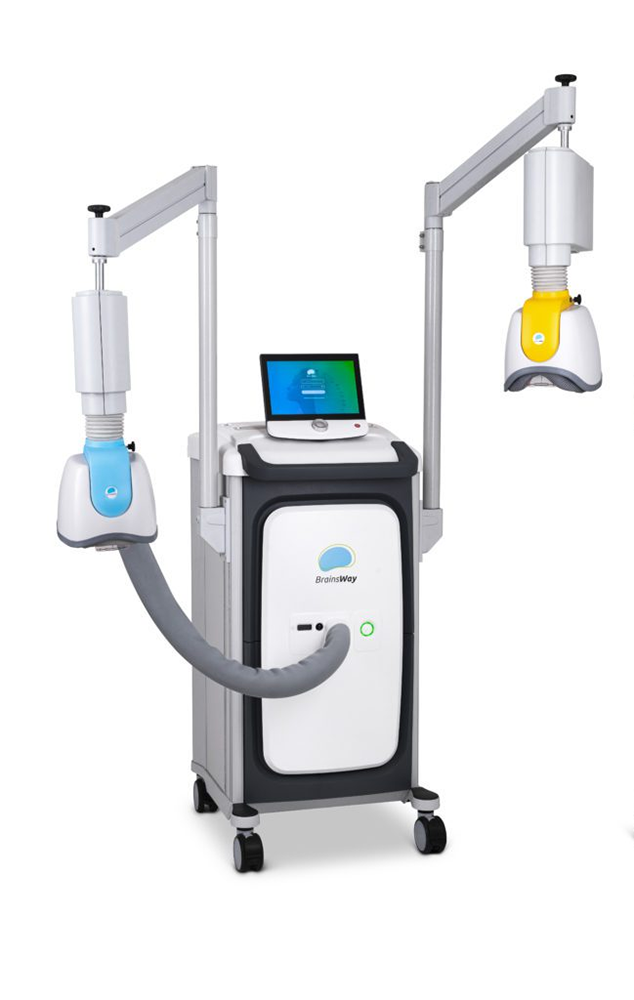
At NPBTC, our team provides Deep TMS therapy for OCD using advanced BrainsWay technology. This treatment is designed to target specific brain circuits involved in obsessive-compulsive symptoms, offering another potential path forward for patients seeking additional support.

How TMS Therapy Helps Treat OCD

Deep TMS uses magnetic stimulation to target areas of the brain involved in obsessive thoughts, compulsive behaviors, and emotional regulation. For OCD, treatment is focused on brain circuits associated with repetitive patterns of thought and behavior.

Unlike medication, TMS does not require introducing a new drug into the body. Treatment is performed in-office, requires no anesthesia or sedation, and allows patients to return to normal activities after each session.

TMS for OCD may be considered for individuals who:

  • Continue experiencing OCD symptoms despite medication or therapy
  • Struggle with intrusive thoughts or compulsive behaviors
  • Have difficulty tolerating medication side effects
  • Need an additional treatment option alongside ongoing psychiatric care
  • Are looking for a non-invasive treatment approach

Who May Benefit from TMS for OCD?

TMS therapy may be appropriate for individuals experiencing persistent OCD symptoms that continue to affect daily functioning. These symptoms may include intrusive thoughts, repetitive checking, cleaning rituals, counting behaviors, reassurance-seeking, avoidance patterns, or distressing mental loops that feel difficult to interrupt.

At NPBTC, each patient begins with a personalized evaluation to determine whether TMS therapy may be an appropriate part of their treatment plan. Our goal is to understand the full picture of each patient’s symptoms, treatment history, and goals before recommending care.

For many patients, TMS may be used as part of a broader treatment approach that can include psychiatric care, therapy, medication management, and ongoing clinical support.

Why Patients Choose NPBTC for OCD Treatment

NPBTC provides a thoughtful, medically guided approach to TMS therapy for OCD. Led by Dr. Sonya Knight, triple board-certified in Neurology, Epilepsy, and Psychiatry, our team understands the complexity of conditions that affect both thought patterns and brain function.

Patients choose NPBTC for:

Deep TMS treatment using advanced BrainsWay technology

Experience treating OCD and related mental health conditions

Integrated psychiatry and neurology expertise

Personalized treatment planning

Supportive, patient-centered care

A team trained to guide patients through each step of treatment

Because OCD symptoms can vary widely from person to person, we take time to understand each patient’s experience and provide care that is tailored to their individual needs.

What to Expect During TMS Treatment for OCD

TMS treatment is provided in-office over a series of scheduled sessions. During treatment, patients remain awake while the device delivers targeted magnetic stimulation to specific areas of the brain involved in OCD symptoms.

TMS is generally well tolerated, requires no downtime, and does not require anesthesia or sedation. Patients are typically able to return to work, school, or daily activities after each appointment.

Throughout the treatment process, our team monitors progress, answers questions, and helps patients understand what to expect at each stage of care.

“TMS changed everything. I’d tried multiple antidepressants with no results, and this was the first time I actually felt like myself again.”

FDA-Cleared • Medication-Free • Non-Invasive

Looking for Another Option for OCD Treatment?

If OCD symptoms continue to interfere with your daily life despite therapy, medication, or previous treatment attempts, TMS therapy may offer another option to explore. Contact NPBTC to schedule a consultation and learn whether Deep TMS therapy for OCD may be right for you.