
TMS Therapy for Smoking Cessation

A Brain-Based Approach to Quitting Smoking and Nicotine Dependence

For many people, quitting smoking is not simply a matter of willpower. Nicotine dependence can involve powerful cravings, behavioral patterns, stress responses, and brain-based reward pathways that make it difficult to stop, even after multiple attempts. At NPBTC, we offer Deep TMS therapy for smoking cessation as part of a comprehensive treatment approach designed to help patients take meaningful steps toward reducing nicotine dependence.
Schedule a TMS Consultation

Please do not include medical records or personal health information on this form.

Smoking cessation can be challenging, especially for individuals who have tried patches, gum, medications, counseling, or other quit methods without lasting success. Nicotine affects the brain’s reward system, which can make cravings feel intense, automatic, and difficult to interrupt.

At NPBTC, our smoking cessation program is designed to support both the biological and behavioral sides of nicotine dependence. By combining advanced Deep TMS technology with clinical support, our goal is to help patients approach quitting with a structured, medically guided plan.

Targeting Cravings at the Source

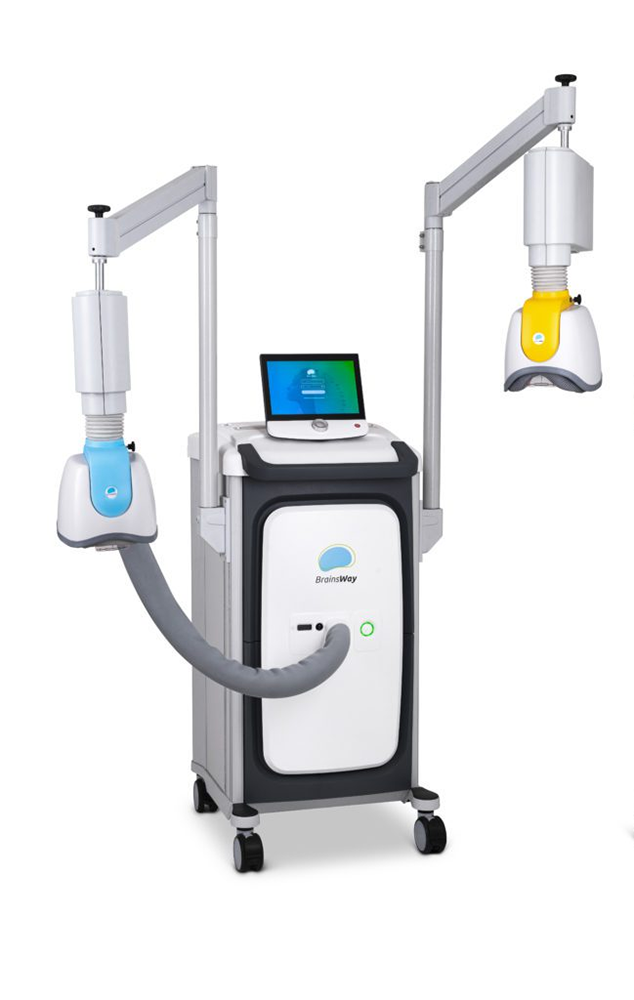
Deep TMS uses magnetic stimulation to activate specific areas of the brain involved in addiction, cravings, and reward processing. Instead of only addressing the habit itself, TMS is designed to influence the brain circuits that contribute to nicotine cravings and compulsive tobacco use.

For smoking cessation, Deep TMS may be appropriate for individuals who:

  • Have tried to quit smoking but continue to relapse
  • Experience strong nicotine cravings
  • Want a non-invasive treatment option
  • Are looking for support beyond patches, gum, or medication
  • Use cigarettes, vapes, or other nicotine products
  • Want a structured program with clinical guidance

Treatment is performed in-office, does not require anesthesia or sedation, and allows patients to return to normal daily activities after each session.

More Than “Just Quit”: Treating the Pattern Behind Nicotine Use

Nicotine dependence is often connected to daily routines, stress, emotional triggers, social habits, and reward-seeking patterns. For that reason, an effective smoking cessation program should address more than the physical act of smoking.

At NPBTC, we look at the full picture behind nicotine use. This may include the frequency of use, type of nicotine product, previous quit attempts, craving patterns, stress triggers, and any related mental health factors.

This broader view allows our team to help patients better understand what keeps the cycle going and what kind of support may be needed to interrupt it.

A Comprehensive Program with TMS and Clinical Support

NPBTC’s smoking cessation approach is designed to combine brain-based treatment with supportive clinical care. Rather than treating TMS as a standalone procedure, we view it as part of a broader plan that may include education, behavioral support, and ongoing guidance.

This integrated model can be especially helpful for patients who have felt frustrated by previous quit attempts or who need more support than traditional methods alone can provide.

Patients choose NPBTC for:

Deep TMS technology using BrainsWay treatment protocols

A comprehensive approach to nicotine dependence

Clinical support throughout the treatment process

Experience treating psychiatric and neurological conditions

Personalized care based on patient history and goals

A supportive environment focused on long-term change

Your Quit Plan, Step by Step

Every patient begins with a consultation to determine whether TMS therapy for smoking cessation may be appropriate. During this process, our team reviews your history, nicotine use patterns, past quit attempts, and treatment goals.

If TMS is recommended, sessions are scheduled over a defined treatment period. During each visit, patients remain awake and comfortable while the TMS device delivers targeted magnetic stimulation. Sessions are well tolerated for most patients and do not require downtime.

Our team will walk you through what to expect before treatment begins and will continue monitoring your progress throughout the program.

Built for People Who Have Tried Before

Many people seeking smoking cessation treatment have already tried to quit more than once. Some have tried nicotine replacement, medications, counseling, mobile apps, or “cold turkey” attempts. That history does not mean quitting is impossible. It means the approach may need to be more personalized and more comprehensive.

At NPBTC, we help patients explore a different path by combining advanced technology with thoughtful clinical support. Our goal is to help you move toward freedom from nicotine dependence with a plan that is structured, supportive, and grounded in whole-person care.

Ready to Take the Next Step Toward Quitting?

If smoking, vaping, or nicotine dependence continues to interfere with your health and quality of life, TMS therapy may be an option worth exploring. Contact NPBTC to learn more about our smoking cessation program and whether this approach may be right for you.