

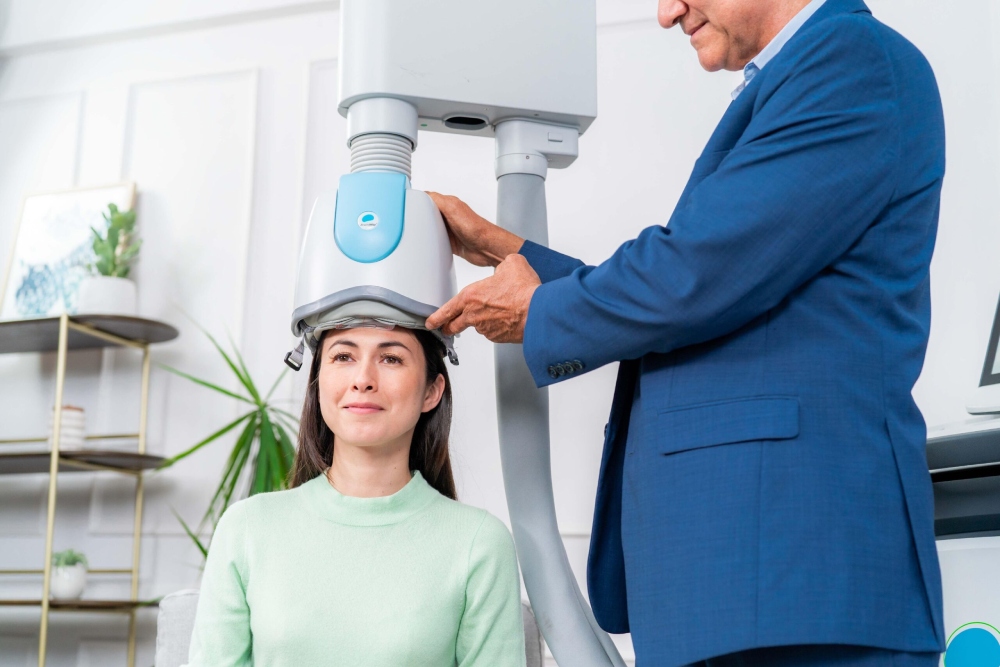
Depression can impact nearly every part of daily life, including motivation, energy, concentration, sleep, relationships, and the ability to enjoy activities that once felt meaningful. For many individuals, medication management and psychotherapy provide significant relief. Others, however, continue to experience persistent depressive symptoms even after making a serious effort with these first line approaches. When depression does not improve adequately despite appropriate treatment, exploring additional options can become an important next step.
Neurology, Psychiatry and Balance Therapy Center (NPBTC) offers TMS for depression near Flourtown, Pennsylvania, for individuals who are seeking another approach after medication, psychotherapy, or other treatment efforts have not provided sufficient improvement. Deep Transcranial Magnetic Stimulation (Deep TMS) provides a noninvasive treatment option that targets areas of the brain involved in mood regulation. Rather than replacing thoughtful psychiatric care, TMS can become part of a broader treatment plan that reflects each patient’s symptoms, history, previous treatment experiences, and individual needs.
Request an Appointment
Please do not include medical records or personal health information on this form.
Transcranial Magnetic Stimulation for Depressed Patients Flourtown, PA
Depression treatment often begins with psychotherapy, antidepressant medication, or a combination of the two. While these approaches can be effective for many patients, depression does not respond the same way in everyone. Some individuals may experience only partial improvement. Others may find that one medication does not work well enough, that symptoms return despite treatment, or that unwanted medication effects make it difficult to continue with a particular approach.
This can be especially discouraging for someone who has already invested considerable time and effort into getting better. Persistent sadness, loss of interest, low energy, difficulty concentrating, hopelessness, or recurring depressive episodes may continue even after multiple treatment attempts. At this point, the question is not necessarily whether treatment can help, but whether a different treatment strategy should be considered.
For individuals living with depression that has not responded sufficiently to medication management or psychotherapy, TMS provides an additional option that works differently from these traditional approaches. NPBTC evaluates each patient individually to determine whether Deep TMS may be appropriate within the larger context of their depression care.
Understanding TMS for Managing Depression
Transcranial Magnetic Stimulation is a noninvasive treatment that uses magnetic pulses to stimulate targeted areas of the brain associated with mood regulation. Unlike medication, which is introduced into the body and works systemically, TMS directs treatment toward specific brain regions involved in depressive symptoms.
At NPBTC, Flourtown Deep TMS is offered as an advanced therapeutic option for treatment-resistant depression. Deep TMS uses specialized technology designed to stimulate targeted neural pathways while the patient remains awake throughout treatment. The therapy does not require anesthesia or sedation, and patients are generally able to return to their regular activities following their appointments.
This makes TMS fundamentally different from taking another medication or participating in an alternate form of talk therapy. It does not mean those treatments are unimportant. Instead, TMS introduces another therapeutic approach for patients whose depression has remained persistent despite conventional care.
Deep TMS and Mood Regulation
Depression involves more than feeling sad for a period of time. It influences how a person thinks, responds emotionally, makes decisions, handles stress, and interacts with the world around them. Certain areas and networks within the brain play important roles in regulating mood, and TMS is designed to influence these targeted regions through magnetic stimulation.
The broader NPBTC TMS program uses Deep TMS with BrainsWay technology. Treatment is directed toward brain areas associated with the symptoms being addressed, allowing the therapy to focus on neurological pathways involved in mood and emotional regulation.
For someone who has already tried medication management and psychotherapy without adequate relief, this brain focused approach represents a meaningful distinction. TMS is not simply another version of the same treatment. It provides a different method of addressing persistent depressive symptoms while remaining part of a professionally managed mental health treatment plan.
Who May Be a Candidate for TMS?
TMS near Flourtown may be considered for individuals who continue to struggle with depression despite previous treatment efforts. Some patients may have tried one or more antidepressant medications without experiencing enough improvement. Others may have participated in psychotherapy and made meaningful progress in understanding their depression but still experience symptoms that interfere with everyday functioning.
Persistent low mood, reduced motivation, lack of interest in previously enjoyable activities, low energy, concentration problems, hopelessness, and recurring depressive episodes are among the experiences that may lead someone to explore additional treatment options. NPBTC does not assume that TMS is appropriate for every person with depression. Instead, patients undergo an individualized evaluation so that the treatment team can consider their symptoms, medical and psychiatric history, previous treatment experiences, and current needs.
This evaluation is particularly important for patients who describe their depression as treatment resistant or who feel they have reached a point where their existing treatment plan is no longer producing sufficient progress.
TMS as Part of a Comprehensive Depression Treatment Strategy
Choosing TMS does not necessarily mean abandoning medication management, psychotherapy, or other forms of psychiatric care. At NPBTC, treatment is approached comprehensively, with TMS incorporated alongside other services when appropriate.
This is an important distinction for people who may already have an established treatment history. A patient may have benefited from certain aspects of psychotherapy while continuing to struggle with core depressive symptoms. Another individual may have experienced some improvement with medication but not enough to regain the quality of life they are seeking. In these situations, Deep TMS can be evaluated as another component of care rather than an isolated procedure.
Psychiatric care remains an important part of treating depression, particularly for individuals whose symptoms have persisted despite earlier treatment efforts. TMS provides another therapeutic option, but the decision to pursue it should still be made within the context of careful psychiatric evaluation and treatment planning.
NPBTC’s integrated approach allows psychiatric, neurological, and supportive services to work together when circumstances call for it. This makes it possible to consider depression from more than one treatment perspective while keeping the patient’s individual needs at the center of the plan.
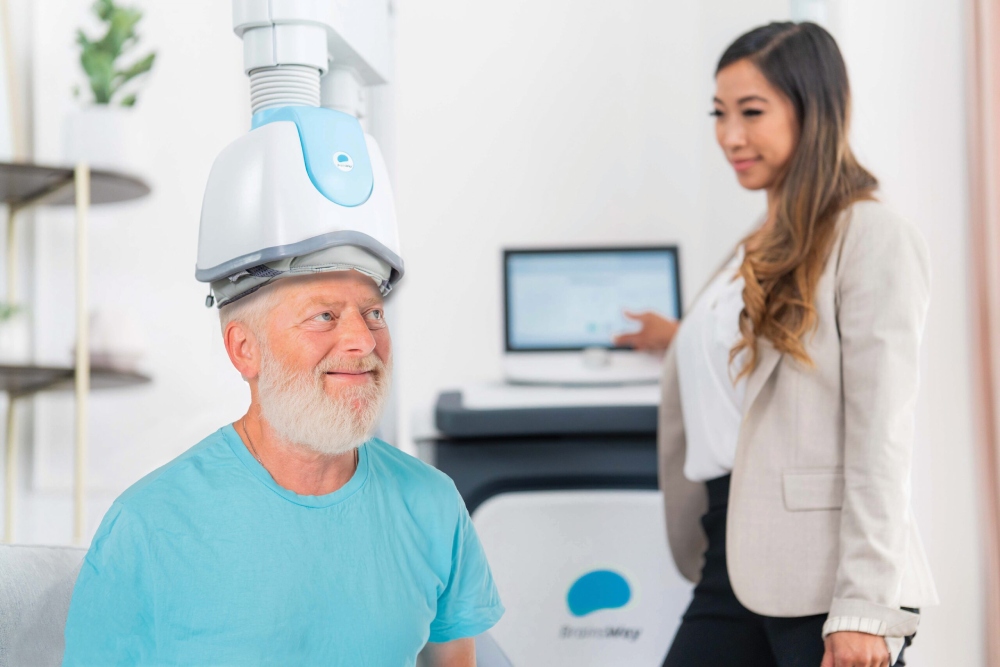
Flourtown TMS Therapy for Depressive Symptoms
Deep TMS treatments at NPBTC are provided in the office. Patients remain awake during each appointment while the device delivers targeted magnetic stimulation. Treatment does not require anesthesia or sedation, and patients are generally able to continue with their normal activities following each session.
Flourtown TMS for depression is not completed in a single appointment. Sessions are scheduled five days per week over the course of several weeks. Throughout the treatment period, progress is monitored and patients have opportunities to ask questions and receive continued support from the treatment team.
For individuals balancing treatment with work, family responsibilities, or other everyday obligations, the ability to receive treatment without anesthesia or a recovery period is an important practical consideration.
A Personalized Approach to TRD
Two people can receive the same diagnosis of depression and still have very different experiences. One person may struggle primarily with low energy and a lack of motivation, while another may experience persistent sadness, difficulty concentrating, hopelessness, or repeated episodes that return despite previous treatment.
Their treatment histories may also differ considerably. Some patients seeking TMS have tried several medications. Others have remained in psychotherapy for an extended period. Some may have experienced periods of improvement followed by the return of significant symptoms.
Because of these differences, NPBTC emphasizes individualized evaluation and treatment planning. The goal is not simply to identify that a patient has depression and place them into a predetermined program.
Moving Beyond the Frustration of Previous Treatment Attempts
Living with ongoing depression after trying to get better can create a particular kind of frustration. Patients may begin to wonder whether there are any meaningful options left when medication changes, psychotherapy, or previous combinations of care have not resulted in the level of improvement they hoped to achieve.
Exploring TMS does not diminish the value of those earlier efforts. Those experiences provide important information about how a patient’s depression has responded to treatment and can help guide future decisions. A history of limited improvement with first line treatments may be precisely why another therapeutic approach is worth discussing.
Deep TMS gives patients and their treatment providers an additional option to consider without requiring another medication to be introduced into the body. For appropriate candidates, this can expand the range of available treatment strategies while continuing to keep psychiatric oversight and individualized care at the center of the process.
Why Choose NPBTC for TMS for Depression?
NPBTC provides Deep TMS treatment within an integrated behavioral health setting rather than offering it as an isolated service. The practice combines advanced BrainsWay Deep TMS technology with individualized treatment planning, psychiatric expertise, neurological care, and ongoing patient support.
Patients are evaluated before beginning treatment and supported throughout the course of their TMS therapy. This well-rounded approach is especially relevant for individuals with persistent depression because their treatment history may involve several medications, psychotherapy, recurring symptoms, or other factors that need to be considered before determining the next step.
For someone who has already experienced the disappointment of first line treatments not providing enough relief, having access to multiple areas of care within the same practice can provide a more coordinated way to explore the viability of additional options.
Contact NPBTC to Explore How TMS near Flourtown, Pennsylvania, Can Help Treat Depression
Depression that continues despite serious treatment efforts can make it difficult to imagine that another path forward exists. Medication management and psychotherapy remain important treatments for depression, but they do not provide adequate relief for every patient. When symptoms continue to affect your mood, energy, concentration, relationships, or everyday quality of life, Transcranial Magnetic Stimulation may be an additional option worth exploring.
Neurology, Psychiatry and Balance Therapy Center provides TMS therapy for depression near Flourtown, Pennsylvania, as part of an individualized and comprehensive approach to mental health care. Contact us online or at (215) 591-0700 to schedule a consultation and learn whether Deep TMS may be appropriate for you.
TMS Therapy for Depression near Ambler, Blue Bell, Bridgeport, Colmar, Conshohocken, Dresher, Eagleville, East Norriton, Flourtown, Fort Washington, Glenside, Gwynedd Valley, Gwynedd, Hatboro, Horsham, King of Prussia, Kulpsville, Lafayette Hill, Lansdale, Norristown, North Wales, Oreland, Plymouth Meeting, Skippack, Spring House, Trooper, West Norriton, Willow Grove, Worcester, Wyndmoor, Ambler Yards, Ambler, Arlingham, Blue Bell, Belfry, Blue Bell, Blue Bell Woods, Blue Bell, Broad Axe, Blue Bell, Cedar Hill, Blue Bell, Center Square, Blue Bell, Custer, Blue Bell, Downtown Ambler, Ambler, Lower Gwynedd, Blue Bell, Normandy Farm area, Blue Bell, Parec Plaza, Blue Bell, Penllyn, Blue Bell, Sunnybrook, Blue Bell, Upper Dublin, Blue Bell, Whitpain Farm, Blue Bell, Whitpain Hills, Blue Bell, and surrounding areas.