

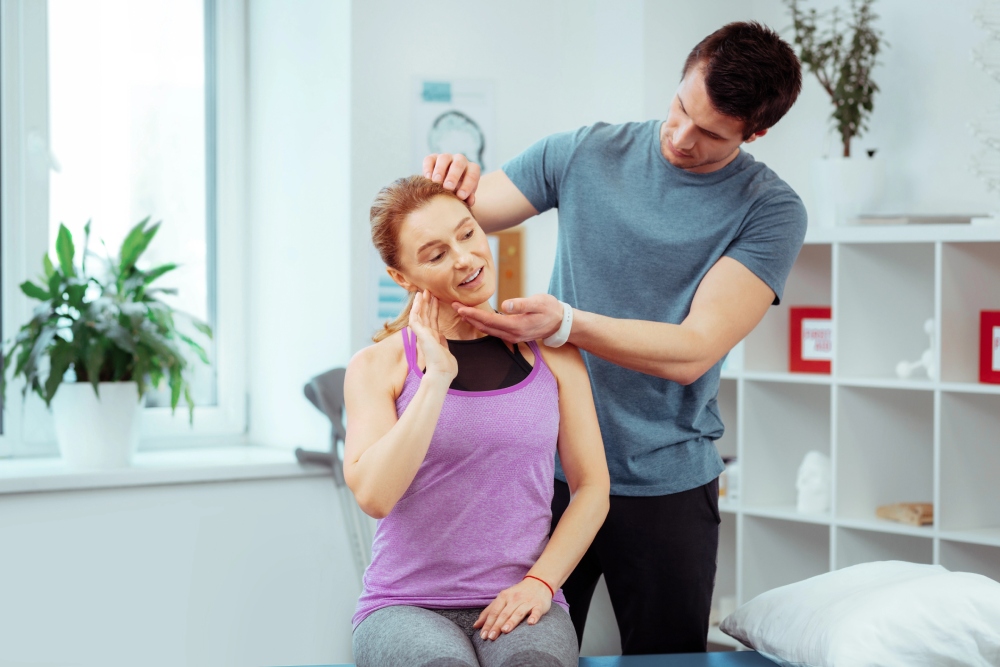
A concussion can affect daily life in ways that are not always obvious from the outside. After a bump, blow, fall, sports injury, car accident, or other head impact, a person may look physically fine but still feel very different. Dizziness, balance problems, headaches, visual sensitivity, fatigue, trouble tolerating movement, and difficulty feeling steady while walking can all make normal routines far harder than before. Some people feel uncomfortable in busy stores or crowded rooms. Others feel worse when they turn their head, move too quickly, look at screens, drive, exercise, or try to return to work, school, or household responsibilities. Even when symptoms are mild, the uncertainty can be frustrating and discouraging.
There is plenty of cause for optimism, however, as many patients benefit from a structured rehabilitation plan after a concussion. This is especially the case when dizziness, balance problems, visual motion sensitivity, or gait changes are part of the picture. Physical therapy can help patients gradually rebuild tolerance to movement, improve steadiness, reduce fear of activity, and return to daily life with greater confidence. Neurology, Psychiatry and Balance Therapy Center (NPBTC) is highly regarded for concussion rehabilitation therapy near Whitpain Farm, Blue Bell, Pennsylvania. Our expert care is personalized, neurologically informed, and focused on practical improvement in the situations patients actually face in daily life.
Request an Appointment
Please do not include medical records or personal health information on this form.
Concussion Rehab Treatments Whitpain Farm, Blue Bell, PA
A concussion is a type of mild traumatic brain injury that can temporarily affect how the brain functions. It does not always involve a loss of consciousness, and symptoms may appear right away or become more noticeable over the hours or days that follow. As the brain helps coordinate balance, vision, movement, attention, and sensory processing, concussion symptoms can affect more than just the head. A person may experience a range of symptoms, including dizziness, nausea, headaches, sensitivity to light or motion, difficulty concentrating, fatigue, neck discomfort, or a sense of being off balance.
For many people, symptoms improve with time and appropriate guidance. For others, certain problems continue longer than expected and begin to interfere with daily function. This can be especially common when dizziness and balance symptoms are involved. A person may feel mostly comfortable while sitting still, but then struggle when walking through a grocery store, turning their head while moving, scrolling on a screen, riding in a car, or navigating visually busy environments. These situations can be incredibly challenging because they require the brain, eyes, vestibular system, muscles, joints, and posture systems to work together smoothly.
Returning to Normal Movement & Nervous System Recovery
It is important to remember that concussion recovery is not the same for everyone. Some patients mainly need medical monitoring and gradual return to activity. Others need more focused rehabilitation because the concussion has affected balance, gaze stability, movement tolerance, or walking confidence. At NPBTC, our concussion rehabilitation therapy is especially focused on helping patients whose symptoms involve dizziness, imbalance, vestibular involvement, gait uncertainty, and difficulty returning to normal movement.
Concussions should always be taken seriously. New, severe, or worsening symptoms should be evaluated by an appropriate medical professional, especially when neurological changes are involved. Once a patient is deemed medically appropriate for therapy, physical rehabilitation can be an important part of helping the body and nervous system recover more normal movement patterns.
Whitpain Farm, Blue Bell Physical Therapist for Concussion Symptoms
Whitpain Farm, Blue Bell concussion rehabilitation physical therapy is far more involved than general exercise. It is a carefully targeted process that looks at how the patient’s symptoms are showing up in real life. At NPBTC, therapy begins with a thorough evaluation of the symptoms, movement triggers, balance reactions, walking patterns, posture, head and eye movement tolerance, and the activities that have become difficult. This assessment helps identify whether symptoms are most connected to vestibular dysfunction, visual motion sensitivity, balance processing, gait changes, neck related factors, deconditioning, or a combination of issues.
From there, the physical therapy plan is individualized. Some patients need help tolerating head movement without dizziness. Some need exercises that improve visual stability while walking. Some need balance retraining because they feel unsteady on their feet. Others need gradual activity progression because everyday movement has become exhausting or intimidating. The goal is to create a comprehensive plan that challenges the system in a controlled way without overwhelming the patient.
Helping the Brain and Body Work Together Efficiently
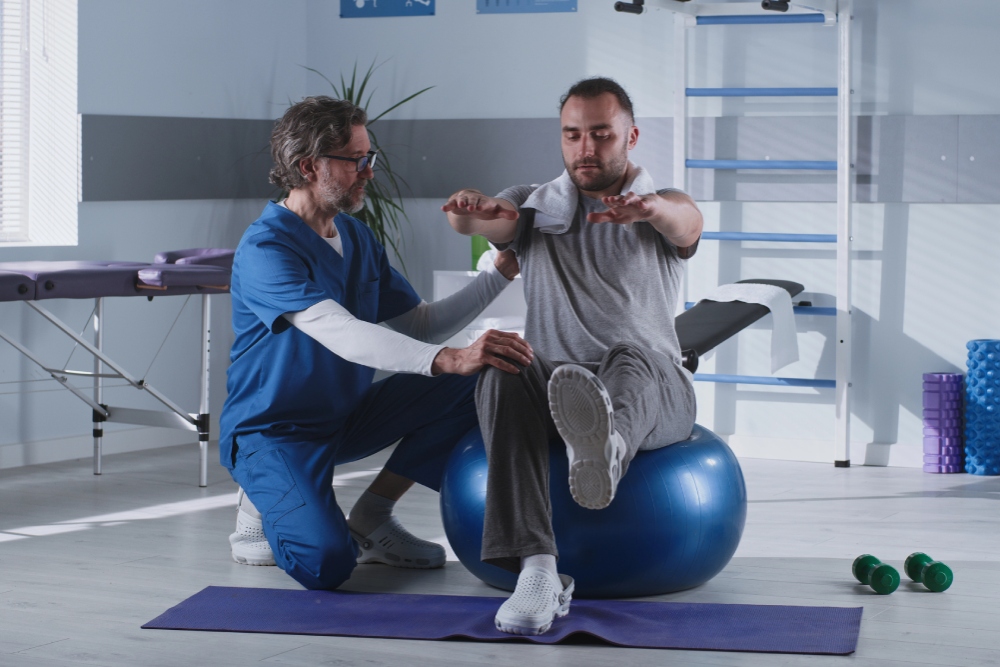
A key part of concussion rehabilitation is helping the brain and body work together more efficiently again. After a concussion, movement that used to feel automatic may suddenly require more effort. Walking through a store, turning quickly, stepping onto uneven ground, or looking from one object to another can feel uncomfortable or disorienting. Physical therapy helps retrain those responses through carefully selected exercises and progressions. Over time, this can help patients feel steadier, more capable, and less fearful of normal movement.
Physical therapy can also help break the cycle of avoidance that often develops after a concussion. When symptoms flare with activity, people may begin doing less in an effort to feel safe. That is understandable, but too much avoidance can make the system more sensitive, reduce conditioning, and increase anxiety around movement. A thoughtful therapy plan helps patients return to activity gradually, with clear guidance and support along the way.
Vestibular Rehabilitation for Post Concussion Dizziness
Dizziness is one of the most common reasons people seek concussion rehab treatment near Whitpain Farm, Blue Bell. It may feel like spinning, floating, lightheadedness, swaying, or a general sense of being unsteady. Some patients also have visual motion sensitivity. This means that busy patterns, moving crowds, traffic, screens, or quick head turns can bring on symptoms. Such problems can make daily life feel unpredictable, and can create real fear around driving, shopping, exercising, or returning to work or school.
Vestibular rehabilitation is often a valuable part of physical therapy for post concussion dizziness. The vestibular system helps the brain understand motion, balance, and head position. When concussion symptoms disrupt how this system works with the eyes and body, patients may feel dizzy or unstable even when nothing dangerous is happening. Vestibular therapy is designed to improve how these systems communicate and adapt.
At NPBTC, vestibular rehabilitation may include gaze stabilization exercises, habituation exercises, balance retraining, walking drills, head movement practice, and gradual exposure to activities that provoke symptoms. These exercises are selected based on the patient’s evaluation and are progressed carefully. The goal is not to push someone through dizziness without a plan. Rather, the goal is to help the nervous system become more tolerant and efficient over time.
For some patients, improvement begins with very small, controlled movements. For others, therapy may progress toward more complex activities, such as walking while turning the head, moving through visually busy spaces, changing direction, or practicing balance challenges that more closely resemble everyday life. This practical approach helps patients carry progress beyond the therapy center.
Balance, Gait, and Movement Confidence After Concussion
A concussion can affect more than how a person feels while sitting still. It can also change how safe and confident they feel while moving. Some patients notice they walk more slowly, avoid turning, feel hesitant on stairs, or become uncomfortable on uneven surfaces. Others feel less steady in dim lighting, crowded places, or situations where they need to divide attention while walking. These issues can cause immense frustration because they may not look dramatic to others, but they can significantly affect independence and quality of life.
Balance and gait training are important parts of Whitpain Farm, Blue Bell concussion rehabilitation when these symptoms are present. At NPBTC, therapy may focus on improving balance reactions, walking mechanics, posture, coordination, and confidence with transitions. A patient may work on standing balance, turning, walking speed, step control, head movement during gait, or the ability to move safely through more challenging environments. The plan depends on the specific ways the concussion has affected function.
This type of therapy is especially helpful when fear of falling or symptom flare ups has caused a person to become more cautious. Cautious movement may feel safer in the moment, but it can sometimes lead to stiffness, reduced activity, and less efficient balance responses. Physical therapy gives patients a safe setting to practice movement again with guidance from a trained professional. Over time, that practice can help restore a more natural sense of control.
The goal is not perfection. Rather, it is better functioning. For many patients, meaningful progress may look like walking with less hesitation, feeling steadier while turning, returning to errands with less worry, tolerating head movement more comfortably, or building the stamina needed for work, school, or family responsibilities.
The Right Physical Therapy Center for Concussion Rehab near Whitpain Farm, Blue Bell, Pennsylvania
No two concussion recovery experiences are exactly alike. While one person may mainly struggle with dizziness and balance, another may have headaches, visual sensitivity, and fatigue that limit activity. More still may feel mostly recovered until they try to exercise, drive, or return to a busy workplace. Because symptoms can vary so much, the rehabilitation plan needs to be personalized for the greatest likelihood of success.
At NPBTC, physical therapy for concussion rehab near Whitpain Farm, Blue Bell is built around each patient’s symptoms, goals, comfort level, and functional needs. The first appointment helps establish what is happening, what activities are most limited, and what type of progression makes sense. Therapy may include in office treatment along with a home program that reinforces progress between visits. As the patient improves, the plan is adjusted so the level of challenge continues to match the stage of recovery.
Concussion symptoms can feel confusing and discouraging, especially when they come and go. That is why educating patients about what they are experiencing is a critical aspect of our overall treatment plan. Patients often feel more comfortable when they understand why certain activities trigger symptoms and how therapy is intended to help. Clear guidance can reduce fear, improve consistency, and help patients participate more confidently in their own recovery process.
Reasons Why Patients Choose NPBTC
Patients routinely choose NPBTC for Whitpain Farm, Blue Bell concussion rehabilitation therapies because our approach is focused on the real challenges that often linger after concussion. We understand that dizziness, balance problems, motion sensitivity, and walking uncertainty can disrupt daily life even when other symptoms are improving. Our primary aim is to identify what is contributing to those problems and create a therapy plan that helps patients move forward safely and confidently.
Another important reason patients select NPBTC is our renowned physical therapy program itself. Patients are seen one on one for focused care with licensed Doctors of Physical Therapy, including Dr. James Barsky and Dr. Ian Haslam. This one on one structure allows for careful observation, clear feedback, and treatment that can be adjusted based on how the patient responds. That level of attention is especially valuable for concussion patients because symptoms may fluctuate and need thoughtful progression.
NPBTC is also known for care that is neurologically informed. Concussion symptoms often involve the interaction between the brain, eyes, vestibular system, posture, gait, and emotional response to symptoms. When needed, the physical therapy team can coordinate with Dr. Sonya Knight, whose background in neurology and psychiatry supports a more complete understanding of complex dizziness, balance, and post concussion presentations. This coordinated model helps keep care organized and focused on outcomes that matter to the patient.
Personalized Treatment Plans for Concussion Recovery in Whitpain Farm, Blue Bell
If you or a loved one is dealing with dizziness, balance problems, visual motion sensitivity, gait changes, or reduced movement confidence after a concussion, professional rehabilitation may be an important next step. These symptoms can make daily life feel smaller and more stressful, but the right physical therapy plan can help you rebuild tolerance, stability, and confidence.
At Neurology, Psychiatry and Balance Therapy Center, concussion rehabilitation therapy is personalized, practical, and focused on helping patients function better in everyday life. Whether you are struggling with post concussion dizziness, balance issues, visual motion sensitivity, walking discomfort, or difficulty returning to normal activity, our team is here to help.
NPBTC is a leading provider of concussion rehabilitation therapy near Whitpain Farm, Blue Bell, Pennsylvania, and we are proud to support patients with one on one care that is grounded in experience, compassion, and real world function. To get started, give our office a call at (215) 591-0700 or request an appointment online.
Concussion Rehab Treatment near Ambler, Blue Bell, Bridgeport, Colmar, Conshohocken, Dresher, Eagleville, East Norriton, Flourtown, Fort Washington, Glenside, Gwynedd Valley, Gwynedd, Hatboro, Horsham, King of Prussia, Kulpsville, Lafayette Hill, Lansdale, Norristown, North Wales, Oreland, Plymouth Meeting, Skippack, Spring House, Trooper, West Norriton, Willow Grove, Worcester, Wyndmoor, Ambler Yards, Ambler, Arlingham, Blue Bell, Belfry, Blue Bell, Blue Bell Woods, Blue Bell, Broad Axe, Blue Bell, Cedar Hill, Blue Bell, Center Square, Blue Bell, Custer, Blue Bell, Downtown Ambler, Ambler, Lower Gwynedd, Blue Bell, Normandy Farm area, Blue Bell, Parec Plaza, Blue Bell, Penllyn, Blue Bell, Sunnybrook, Blue Bell, Upper Dublin, Blue Bell, Whitpain Farm, Blue Bell, Whitpain Hills, Blue Bell, and surrounding areas.